Installer coupons: in-box codes that reach the right hands
An appliance carton passes through a warehouse, a distributor, a retailer, a delivery boy and finally an installer, and every one of them can claim a coupon they can see. In influencer categories that is a leakage problem. In installer categories it is worse — a coupon claimed before installation actively destroys the thing you were buying, which is a verified record of where your product ended up.
Key takeaways
- An installer coupon should be claimable only at the moment of installation, ideally requiring the unit to be powered on or the customer to confirm.
- Bind the coupon to the product serial, not to a generic code, so the claim doubles as a warranty registration.
- Coupon-only schemes lose the data that justifies the whole program. Pair every claim with a registration record.
- Expect 60–85% claim rates when the coupon is inside the box and paid instantly, against 20–40% for warranty cards posted back.
Four places to put the code, and what each buys you
| Placement | Claimable by | Also gives you |
|---|---|---|
| Outer carton label | Warehouse, distributor, retailer | Nothing useful — avoid |
| Inside the box, on the manual or accessory bag | Whoever unpacks — usually the installer | Install-stage claim, decent integrity |
| On the unit's rating plate or serial label | Whoever is physically at the unit | Serial-bound claim and warranty registration in one |
| Released digitally on commissioning | Only after the unit reports powered-on, or the customer confirms by OTP | Highest integrity; proves the product actually works |
The last row is the direction of travel for connected products — air conditioners with Wi-Fi modules, inverters, solar systems, water purifiers with service telemetry. If the unit itself can confirm it was commissioned, the coupon can be released against that event, and ghost claims become close to impossible. For everything else, a serial-bound code plus a customer OTP is the practical maximum.
Bind the coupon to the serial
A generic coupon says only that someone claimed a reward. A serial-bound coupon says that unit number so-and-so was installed at this location, on this date, by this installer, for this customer. The second is worth several times the first, because it simultaneously:
- Activates the warranty in the customer's name, without a card being posted anywhere.
- Creates the service record your call centre will need in eighteen months.
- Tells you which distributor's stock ended up in which district — the cleanest secondary-sales signal a durable-goods brand can get, as covered in secondary sales tracking.
- Makes duplicate claims arithmetically impossible rather than merely detectable.
What the coupon should be worth
Installer coupon values follow install-reward benchmarks, with a deliberate skew toward the moments you want to influence:
- Base install coupon: ₹150–600 depending on category and installation complexity.
- Correct-accessory bonus: ₹50–200 when the job uses genuine brand accessories — copper piping, stabilisers, brackets, adhesives. This is where counterfeit and sub-spec components do most of their damage.
- Commissioning-complete bonus: ₹100–300 released only after the customer OTP or a powered-on signal. Cheap insurance against ghost installs.
- Service-conversion coupon: a reward when the customer takes an annual maintenance contract. It aligns the installer with the service revenue rather than against it.
- Seasonal multipliers: in AC, the March-to-June rush is when quality collapses under volume. A quality-gated multiplier during the peak is more useful than a flat annual rate.
Why coupon-only schemes disappoint
A coupon scheme with no member identity behind it produces a spike in claims and nothing else — no history, no cohort, no way to tell a loyal installer from a one-time claimant, and no ability to run a quality gate because there is nobody to gate. Brands then conclude that installer incentives do not work, when what did not work was running a promotion and calling it a program.
The fix is not complicated: enrol the installer once, keep the coupon mechanics on top. He then has a ledger, a history, a tier, a certification status and a reason to keep claiming through you rather than pocketing whatever the retailer offers this month. The general argument between the two models is in cash, coupons, points or gifts.
Fraud controls that fit the installer context
- Customer OTP from the sale record, never a number typed in by the installer. This single control removes most ghost claims.
- Geo-plausibility — an install location that matches a dealer's coordinates, or a member claiming installs 200km apart within an hour, needs review.
- Image integrity — hash every submitted photograph, check EXIF and timestamps, and randomise which checkpoint photo is requested so the requirement cannot be pre-staged.
- One serial, one claim, with a visible dispute route for genuine cases such as a reinstallation after a customer moves.
- Escalate, do not block. Route suspicious claims to review with the reward shown as pending. Blocking an honest installer in front of a customer is a story that travels.
A working installer coupon design
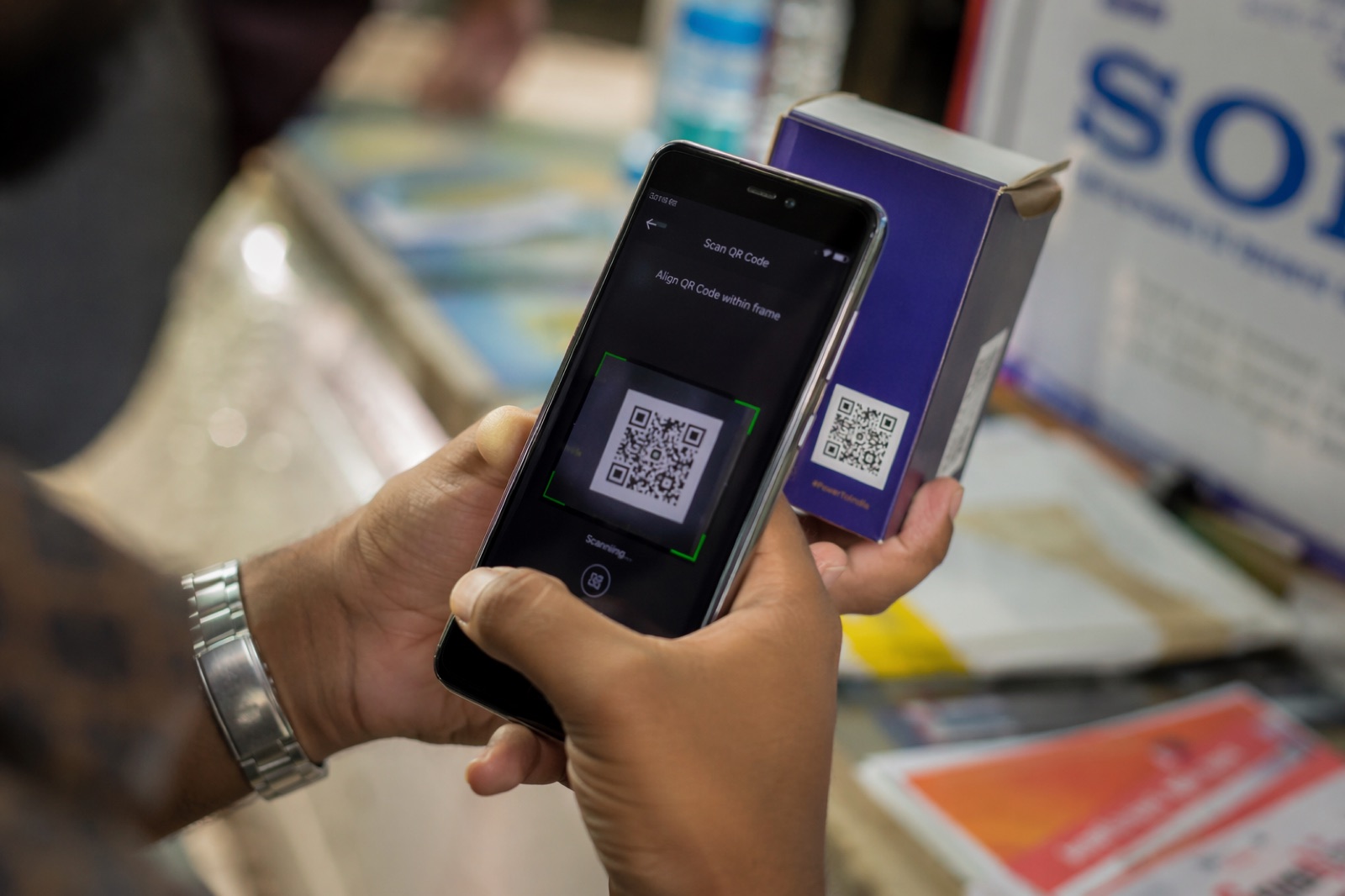
- QR on the unit's rating plate, bound to the serial, plus a secondary code inside the accessory bag as a fallback.
- Installer enrolled once, on WhatsApp, before his first claim; identity persists across brands' schemes he may join.
- Claim flow: scan serial, two randomised checkpoint photographs, customer OTP, done — under sixty seconds.
- Base coupon credited instantly; the commissioning bonus releases on OTP confirmation.
- Accessory-authenticity bonus paid when genuine accessory codes are scanned in the same job.
- Warranty activated in the customer's name automatically, with a confirmation message to the customer that also names the installer — recognition that costs nothing.
- Quality review on a random 5% sample plus every claim that trips a rule, with a published appeal route.
Frequently asked questions
Where should an installer coupon code be placed?
On the unit's rating plate or serial label, so it can only be claimed by someone physically at the installed product, with a fallback code inside the accessory bag. Codes on the outer carton are claimed in the warehouse or at the counter and give you nothing. For connected products, releasing the coupon only when the unit reports as commissioned is stronger still.
Why should a coupon be bound to the product serial?
Because a serial-bound claim doubles as a warranty registration, a service record, a secondary-sales data point and a duplicate-claim impossibility. A generic coupon tells you only that someone claimed a reward; a serial-bound one tells you which unit went where, when, fitted by whom, for which customer.
What claim rate should an installer coupon program expect?
60–85% when the coupon is inside the box or on the unit and pays instantly to UPI, compared with 20–40% for traditional warranty cards posted back. If claims sit below 50%, the usual causes are a coupon placed where the installer cannot reach it, a claim flow that takes too long in front of a customer, or delayed payouts.
How do you prevent installers claiming for products they never installed?
Send the confirmation OTP to the customer's number taken from the sale or delivery record rather than one entered by the installer, require geo-stamped photographs at randomised checkpoints, and flag claims whose location matches dealer coordinates. Route anything suspicious to review with the reward marked pending rather than blocking it outright.
Should the customer have to do anything to let the installer claim?
At most confirm an OTP. Never require a customer to install an app, create an account or fill a form — installs will simply go unregistered. The best designs make the customer's only action a single confirmation, and reward that customer with the warranty activation they wanted anyway.
Can installer coupons run without enrolling installers?
They can, and they will produce a claim spike and no lasting value. Without member identity there is no history, no quality gate, no tier and no way to distinguish a loyal installer from a one-off claimant. Enrol once and keep coupon mechanics as the layer on top.
How should coupon value change during a seasonal peak?
Add a quality-gated multiplier rather than a flat increase. In air conditioning, the March-to-June rush is exactly when installation quality collapses under volume, so paying more for correctly documented installs during the peak buys the behaviour you need at the moment it is scarcest.