In-store promoter management software and apps
A brand with 800 in-shop promoters across 600 stores pays for 800 people it cannot see. Attendance comes from the agency, sales come from the promoter's notebook, and the incentive is paid on both. Promoter management software replaces the notebook and the agency report with evidence, and this guide sets out what that evidence should be.
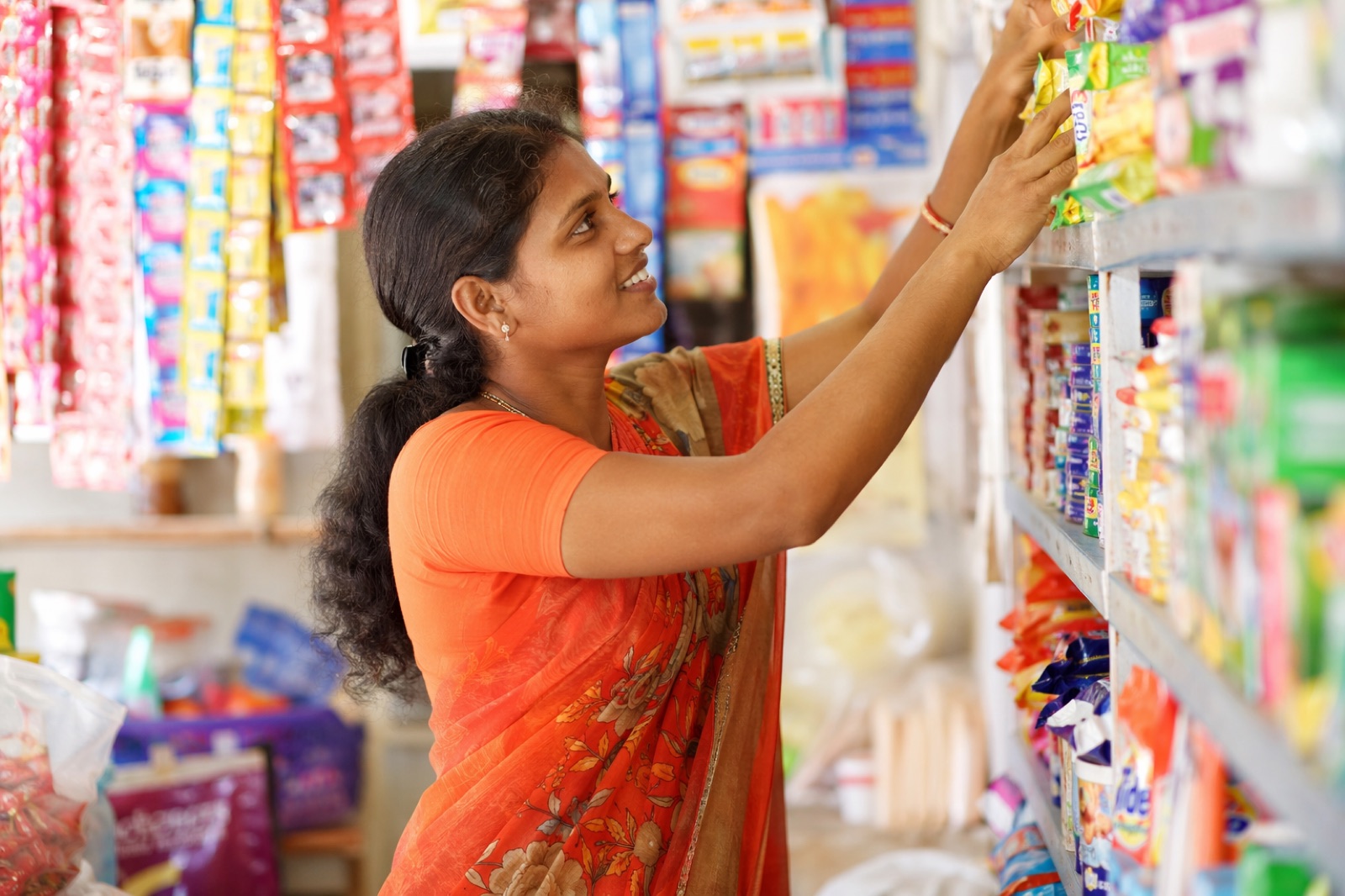
In-store promoter management software, also called in-shop promoter or ISP management software, is a system for brands that place promoters or demonstrators in retail stores. It records attendance with a geo-tagged selfie at the mapped store and shift, captures each promoter's sales through invoice photos or serialised QR scans on units sold, calculates incentives on slabs, runs shelf, stock and competitor audits from the same app, delivers training, and reconciles attendance and sales against agency invoices and payroll. Across programs Unotag runs, moving promoter reporting from paper to the app typically removes 5 to 12 percent of claimed attendance and raises verified sales per promoter by 10 to 20 percent within a quarter.
The problem in one table
| Feature | The problem it fixes | How it works |
|---|---|---|
| Geo and selfie attendance | Agency bills for promoters who did not turn up, or turned up elsewhere | Check-in and check-out with a selfie at the mapped store's location, within the shift window |
| Shift and store mapping | Promoters move between stores; nobody knows who covers which counter | Each promoter mapped to stores and shifts; changes require approval |
| Sales capture by invoice photo | Sales reported in a notebook, inflated or unverifiable | Promoter photographs the store's bill; optical reading extracts SKUs and quantities; duplicates rejected |
| Sales capture by serialised scan | Invoices unavailable in some stores; attribution disputed between promoters | Promoter scans the unit's QR at sale; the unit's code cannot be scanned twice |
| Incentive slabs | Flat pay gives no reason to sell; ad hoc bonuses cannot be reconciled | Monthly slabs on verified units, focus-SKU weights, paid by UPI or through the agency |
| Shelf, stock and competitor audit | Field visits too rare to know shelf share or stock-outs | Weekly photo tasks scored by image recognition; stock counts; competitor price and scheme capture |
| Training and assessment | Promoters cannot explain the product; turnover resets knowledge | Short modules and quizzes in the app; certification linked to a higher incentive rate |
| Agency and payroll reconciliation | Agency invoice, attendance and incentives never agree | Attendance and verified sales exported per promoter and store for the agency invoice check |
Attendance: the first thing to fix
Attendance leakage is the cheapest to remove and the one agencies resist most. The app records a check-in with a selfie and location inside a radius of the mapped store, during the shift window, and a check-out the same way. Exceptions, a store with no signal, a transfer to another store for the day, go to a supervisor for approval with a reason. Reports show attendance per promoter, store and day, and the agency invoice is checked against them. The reduction in billed but absent days pays for the software in most programs.
Sales proof: invoice or scan
Invoice photos work where the store issues a bill for every sale and the promoter can photograph it. Optical reading extracts the SKUs and quantities, and duplicate detection rejects the same bill uploaded twice or by two promoters. Serialised scans work where the brand already prints unique QR codes on units, common in appliances, electronics and cosmetics; the promoter scans the code at sale, and since a code can only be scanned once, attribution disputes disappear. Many programs use both: scan where codes exist, invoice elsewhere. The scan vs invoice post covers the trade-offs, and the same scan can register the consumer's warranty, covered in QR code warranty registration.
Incentives that move the number
Promoter incentives follow the same slab rules as any sales scheme: thresholds set from the base's own distribution, marginal payout, three to five slabs, a focus-SKU weight, and a cap. Two promoter-specific rules help. Pay weekly or fortnightly rather than monthly, because promoter turnover is high and a reward that arrives after they have left motivates nobody. And pay directly by UPI where the agency contract allows, so the promoter sees the brand's reward as the brand's. The incentive slab guide has the threshold method; the in-store promoter management solution shows the configuration.
Audits from the same app
Once a promoter is checking in daily, the app is the cheapest field audit tool the brand has. A weekly shelf photo scored for facings and planogram compliance, a stock count of the brand's SKUs, a photo of the competitor's display and a note of their running scheme: each takes a minute and replaces a field visit that happened once a quarter. The data feeds the trade marketing team directly. See trade marketing strategies for how brands use it.
Training and retention
Promoter turnover in Indian modern trade is high, and every new promoter starts with no product knowledge. Short video modules and quizzes in the app, with certification linked to a higher incentive rate, give the promoter a reason to learn and the brand a record of who has. Certified promoters in programs Unotag runs sell 1.3 to 1.6 times as many focus units as uncertified promoters in the same stores.
Working with the promoter agency
Most in-store promoters are employed by a staffing agency rather than the brand, and the software has to work for the agency as well as against its worst habits. Give the agency supervisor access to attendance and sales for their promoters only, with the ability to approve exceptions and to replace a promoter in the store mapping. Export the monthly attendance and verified sales per promoter in the structure the agency invoices in, so the reconciliation is a comparison rather than a negotiation. Put the attendance and sales evidence in the agency contract as the basis for billing, with a stated tolerance for signal failures. Agencies that resist verification at the start usually come to prefer it, because it also protects them from disputes over promoters the brand claims were absent. Across programs Unotag runs, the agency reconciliation report is the document the brand's trade marketing and finance teams both ask for first each month.
What good looks like after a quarter
By the end of the first quarter, attendance should be above 95 percent verified with exceptions under 3 percent, every active promoter should be logging sales by invoice or scan on most working days, the incentive should be paid weekly from verified units without a manual step, and the shelf audit should be producing a weekly facing score per store. If any of these is missing, the cause is usually one of three: the promoter's phone or language, the store's willingness to let bills be photographed, or an agency that has not been given the reconciliation export. Fix those before adding features.
Choosing promoter management software
- Attendance must work with poor signal and shared phones; ask how offline check-in and later sync are handled.
- Sales proof must support both invoice photos and serialised scans, with duplicate detection across promoters.
- Incentives must be configurable as slabs with weekly settlement by UPI or through the agency.
- Audits must be tasks the promoter completes in the app, scored automatically where photos are involved.
- Reconciliation exports must match the agency's invoice structure.
- The app must run in the promoter's language; Unotag supports ten Indian languages.
Key takeaways
- Promoter management software replaces agency attendance reports and notebook sales with geo-selfie check-ins and invoice or scan proof.
- Attendance verification alone typically removes 5 to 12 percent of billed days; verified sales per promoter rise 10 to 20 percent when incentives run on proof.
- Pay promoter incentives weekly or fortnightly, on marginal slabs, by UPI where the contract allows.
- Use the daily check-in to run shelf, stock and competitor audits and training from the same app.
Frequently asked questions
What is in-store promoter management software?
A system for brands that place promoters in retail stores. It records geo-tagged selfie attendance at mapped stores and shifts, captures sales through invoice photos or serialised QR scans, calculates slab incentives, runs shelf and competitor audits, delivers training and reconciles everything against agency invoices.
What does an in-shop promoter management app do?
It lets the promoter check in and out with a selfie at the store, log sales by photographing bills or scanning unit QR codes, see their incentive slab position, complete shelf and stock audit tasks, and take short training modules, in their own language.
How does promoter attendance verification work?
The promoter checks in with a selfie inside a radius of the mapped store during the shift window and checks out the same way. Exceptions go to a supervisor with a reason. Attendance reports are matched against the agency's invoice.
How are promoter sales verified?
By photographing the store's bill, which optical reading converts to SKUs and quantities with duplicate rejection, or by scanning a serialised QR on the unit sold, which can only be scanned once. Many programs use both.
How should in-store promoter incentives be structured?
Marginal slabs on verified units with thresholds set from the promoter base's own distribution, a focus-SKU weight, a cap, and weekly or fortnightly payment by UPI where the agency contract allows.
Can promoter management software run shelf and competitor audits?
Yes. Weekly photo tasks scored by image recognition for facings and planogram compliance, stock counts and competitor display and scheme capture all run from the same app the promoter uses for attendance.
How much does in-store promoter management software cost in India?
Channel platforms price by monthly active users; Unotag runs from roughly ₹30,000 to ₹3 lakh a month depending on the number of promoters and other members on the platform. Attendance savings usually cover it.