Multilingual loyalty programs in India
A program that speaks only English is a program for the distributor's accountant. The retailer in Hubballi, the electrician in Madurai and the mason in Patna will enrol, because the field officer asked them to, and then never scan. Language is not a feature. It is whether the program exists for the member.
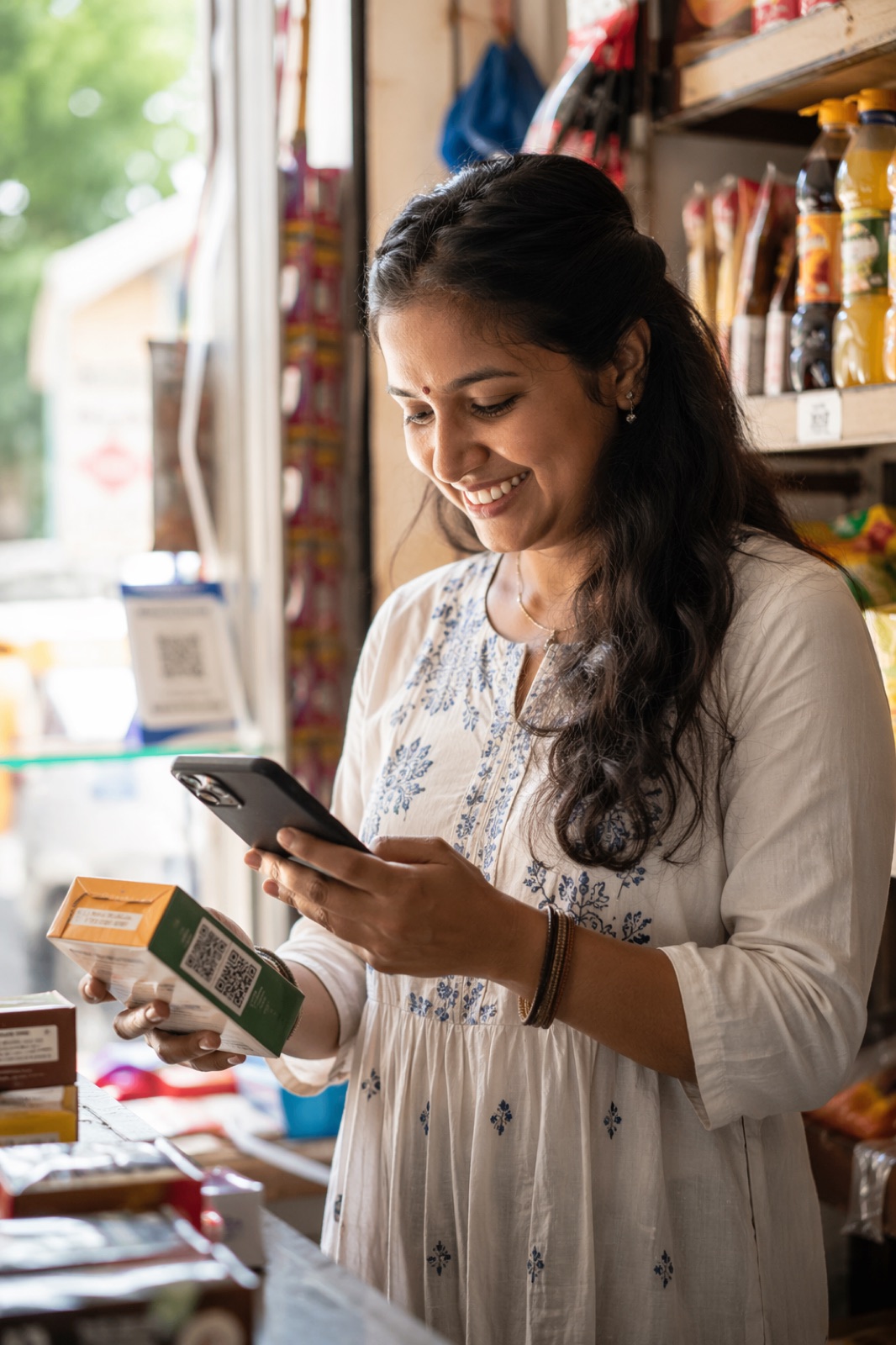
A multilingual channel loyalty program in India runs enrolment, scanning, balance, redemption and support in the member's own language, typically Hindi plus the major state languages such as Marathi, Gujarati, Bengali, Tamil, Telugu, Kannada, Malayalam and Punjabi, and accepts voice as well as text because a large share of trade members prefer speaking to typing. Programs that add regional languages see activation and monthly active rates rise most in tier-two and rural markets. The operating rules that make it work are one message plan translated by native speakers, transliteration support for members who type their language in Latin script, and a bot that mirrors whichever language the member uses.
Which languages, for whom
| Language | Where it matters most | Trades where it is decisive |
|---|---|---|
| Hindi | North, central and much of west India; the default second language elsewhere | All trades; masons and painters especially |
| Marathi | Maharashtra | Plumbers, electricians, hardware retailers |
| Gujarati | Gujarat | Retailers and dealers; a strong trade-language preference |
| Bengali | West Bengal, Assam belts | Masons, painters, retailers |
| Tamil | Tamil Nadu | Electricians, plumbers; low English tolerance in the trade |
| Telugu | Andhra Pradesh, Telangana | Masons, tile layers, retailers |
| Kannada | Karnataka | Electricians, plumbers, retailers outside Bengaluru |
| Malayalam | Kerala | Plumbers, electricians, retailers |
| Punjabi | Punjab | Mechanics, agri-input retailers |
| English | Metro dealers, distributors, brand teams | Distributor tier and reporting |
Voice, not just translation
Translating the menus is the easy part and the least important. Many trade members prefer to speak: a voice note asking about a balance, a spoken reply confirming a scan. A program that accepts voice in the member's language and replies in voice removes the literacy barrier entirely, which is why app adoption among low-literacy users is so much better on conversational channels than on menu-driven apps. Unotag's WhatsApp assistant runs in ten languages with voice in and voice out.
Transliteration and mixed script
A member who speaks Kannada may type it in Latin letters. A message may mix Hindi and English in one sentence. The bot should detect the language from the message, not from a setting chosen at enrolment, and mirror it. Templates should exist in native script, but replies must handle whatever arrives.
Operating rules that keep ten languages consistent
- One message plan, written once in English, translated by native speakers who know the trade, never by a generic translator. The word for a coil of wire in Tamil trade usage is not the dictionary word.
- One glossary of program terms per language, fixed before launch, so the balance is called the same thing in every message.
- Counter material and WhatsApp templates in the same language as the member's replies; a Kannada poster with an English bot breaks trust.
- Support staff or an AI assistant that can actually reply in each language, with escalation to a human speaker.
- Report activation and active rates by language; a language with low activation usually has a translation problem, not a market problem.
What it changes
The measurable effect is on activation and monthly active in non-metro markets, where the difference between an English program and a local-language one is the difference between a database and a program. The rural trade loyalty post covers the rest of the rural playbook, and the benchmarks page gives the ranges to judge against.
Key takeaways
- Run the whole member journey, not just menus, in the member's language, with voice in and out.
- Hindi plus the major state languages covers most of the Indian trade; English is for the distributor tier and reporting.
- Detect language per message and mirror it; handle transliteration and mixed script.
- Translate once by native trade speakers, fix a glossary per language, and report activation by language.
Frequently asked questions
Which languages should a channel loyalty program support in India?
Hindi plus the major state languages for your footprint: Marathi, Gujarati, Bengali, Tamil, Telugu, Kannada, Malayalam and Punjabi cover most of the trade. English serves the distributor tier and reporting.
Does a loyalty program need voice support?
For trade influencers and small retailers, yes. Many prefer to speak rather than type, and voice in the member's language removes the literacy barrier that stalls menu-driven apps.
How does a loyalty bot handle members who type Kannada in English letters?
It detects the language from the message rather than a setting and mirrors it, handling transliterated and mixed-script text. Templates are in native script; replies adapt to whatever arrives.
Who should translate loyalty program messages?
Native speakers who know the trade, not generic translators. Trade terms differ from dictionary terms, and a wrong word for a product or a reward reads as a fake program.
Does adding regional languages improve loyalty program results?
In tier-two and rural markets it produces the largest gains in activation and monthly active rates of any single change, because it turns a database of enrolled names into members who actually earn.
Can one program run in ten languages at once?
Yes, with one message plan translated per language, a fixed glossary per language, matching counter material, and support that can reply in each. Unotag's WhatsApp flows run in ten Indian languages with voice.