Plumber coupons: in-pack codes, scratch cards and QR rewards explained
Coupons are the oldest trade-incentive mechanic in India and the most misunderstood. A coupon is not a reward — it is a carrier for a reward, and the choice of carrier decides who can claim it, how much of your budget reaches the plumber, and how much leaks to counters, competitors and outright fraud. This guide covers the four carriers used in plumbing, what each costs, and when each is the right answer.
Key takeaways
- Paper scratch cards inside cartons are cheap to print and expensive to run: reconciliation, courier costs and coupon theft usually eat 15–30% of the intended payout.
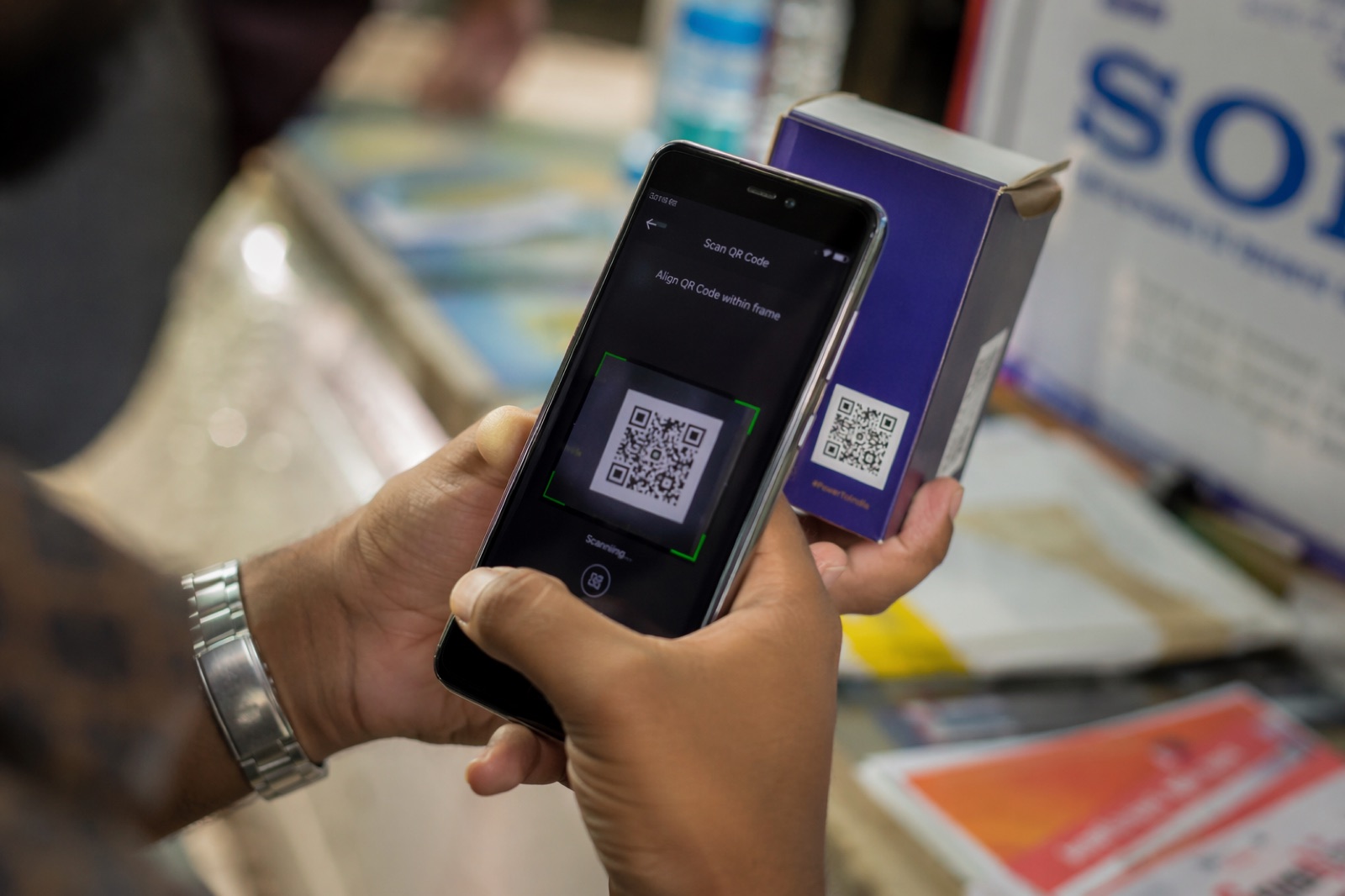
- Serialised QR coupons cost more per unit and pay back through instant redemption, real-time data and codes that cannot be reused.
- Coupon placement decides who claims it. Outside the carton, the counter claims it. Inside the pack, the person who opens it claims it — which in plumbing is the plumber.
- Expect 55–80% redemption on a well-run digital coupon program and 25–45% on paper. Unredeemed coupons are not a saving; they are a broken promise the trade remembers.
The four coupon carriers
| Carrier | Unit cost | Redemption | Best for |
|---|---|---|---|
| Paper scratch card in carton | ₹0.40–1.20 | 25–45% | Legacy channels, low-smartphone districts, one-off festive pushes |
| Printed alphanumeric code (SMS/WhatsApp claim) | ₹0.15–0.50 | 35–55% | Very low-value SKUs; fallback where scanning fails |
| Serialised QR coupon on or in pack | ₹0.20–0.80 | 55–80% | The default for fittings, pipes and cement in 2026 |
| Digital coupon issued after scan | Near zero | 70–90% | Layering surprise rewards onto an existing scan program |
The fourth row is where most mature brands end up: the physical QR identifies the product, and the coupon — a scratch-card animation, a spin, a surprise multiplier — is issued digitally after a valid scan. You get the psychology of a coupon with none of the printing, distribution or reconciliation cost, and the reward can be varied by SKU, district or season without touching the packing line. The trade-off against physical cards is covered in digital scratch cards versus in-pack coupons.
Where you put the coupon decides who gets paid
This is the single most consequential design decision, and it is a production decision, not a marketing one.
Outside the carton
Visible before sale. The counter can peel, photograph or claim it. Use only when you intend the retailer to be the beneficiary.
Inside the outer carton
Reachable when the carton is opened — usually at the counter or the contractor's store. Ambiguous ownership; expect a share to be claimed by whoever breaks bulk.
Inside the primary pack or under the cap
Reachable only by whoever actually uses the product. In plumbing that is the plumber, on site. This is where a plumber coupon belongs.
Printed on the product itself
On the pipe surface, moulded into the fitting, or laser-marked. Highest integrity, highest tooling cost, and the only option that survives repacking.
Solvent cement is the standout case: an under-cap coupon on a cement tin is opened by the plumber, on the job, at the exact moment he is making the joint that decides whether he blames your brand in two years. There is no better placement in the category.
What a plumber coupon should be worth
Coupon value in plumbing follows the same logic as scan rewards, with one addition — variance. A flat ₹5 on every fitting is predictable and quickly becomes invisible. The same ₹5 average delivered as a distribution (most coupons ₹2–3, occasional ₹50, rare ₹1,000) is scanned harder and talked about more, at identical cost. Guard rails that keep variance honest:
- Publish the odds and the top prize. A scheme that feels rigged is worse than no scheme, and the trade compares notes constantly.
- Guarantee a floor. Every coupon pays something. A zero-value coupon reads as an insult after the effort of scanning.
- Pay the big ones fast and publicly. One ₹10,000 winner paid within a day and shared in the district's WhatsApp groups is worth more than the same money spread thin.
- Never expire silently. If a coupon has a validity window, say so on the pack and remind him before it lapses.
The reconciliation problem nobody budgets for
Paper coupon schemes fail in the back office, not the field. The classic Indian pattern: the plumber collects cards for three months, hands a bundle to his dealer, the dealer couriers them to the depot, the depot posts them to head office, someone tallies them on a spreadsheet, and a cheque is issued six weeks later. Every step adds delay, disputes and loss — and the plumber's memory of the scheme is "they paid eventually, I think".
Digital coupons collapse that entire chain into a scan and a UPI credit. If you must run paper — and there are still districts where you must — at least let the plumber photograph or type the code into WhatsApp to claim instantly, and treat the physical card as an audit artifact rather than the claim instrument.
Coupon fraud in plumbing, and what stops it
- Photographed codes shared in groups. Fix: single-use serialised codes bound to the first valid claim, with the member's identity attached.
- Pre-sale harvesting at the counter. Fix: inner-pack or under-cap placement, plus geo-clustering that flags claims resolving to the same counter coordinates.
- Sequential code guessing. Fix: never use sequential codes. Use a large sparse keyspace with a check digit so guesses fail against the database, not the pattern.
- Recycled cartons and repacked product. Fix: bind the coupon to the product identity, and invalidate codes for batches reported as returned or damaged.
- One member claiming a district's stock. Fix: velocity caps per member per day, escalating verification above a threshold rather than a hard block.
The broader fraud taxonomy, including how to size an acceptable leakage rate before you start, is in loyalty program fraud prevention and coupon fraud in trade schemes.
Coupons versus a points program: which and when
| Coupon scheme | Points program | |
|---|---|---|
| Time horizon | Weeks to a quarter | Years |
| Member identity | Optional — often anonymous | Required — you know who he is |
| Data captured | Redemption events only | Full behaviour history |
| Emotional register | Surprise, luck, immediacy | Accumulation, status, aspiration |
| Switching cost for the plumber | Zero | High once points accumulate |
| Best use | Trial, launch, seasonal push, reactivation | The permanent relationship |
The honest answer is that coupons are a tactic and a points program is an asset. Coupons that run on top of an enrolled member base give you both — surprise value on the day, accumulated identity and history underneath. Coupons run standalone give you a spike and nothing to build on next quarter.
A working design for a plumber coupon program
- Serialised QR under the cap of every solvent-cement tin and inside every fitting polybag.
- First scan enrols the plumber on WhatsApp in under ninety seconds; the coupon pays immediately, before any KYC beyond a mobile number.
- Value delivered as a distribution around a ₹5 mean on fittings and ₹25 on cement, with published odds and a guaranteed floor.
- Monsoon window: repair-grade SKUs get a 2× coupon multiplier, announced two weeks in advance.
- Every coupon claim also returns a genuine-product verification screen — the same scan doing two jobs.
- PAN collected at ₹15,000 of cumulative benefit so 194R deduction is ready before the ₹20,000 threshold.
Frequently asked questions
What is a plumber coupon scheme?
It is a trade incentive where pipes, fittings and solvent cement carry a coupon — a scratch card, a printed code or a serialised QR — that the plumber claims for cash, points or a prize. The coupon is only the carrier; where it is placed on the pack decides whether the plumber or the counter actually gets paid.
Where should a coupon be placed so the plumber gets it and not the dealer?
Inside the primary pack or under the cap, so it is physically unreachable until the product is opened for use. Coupons printed outside the carton are routinely claimed at the counter. For solvent cement, an under-cap coupon is the strongest placement in the category because the plumber opens the tin himself, on site.
What redemption rate should a plumber coupon program expect?
Roughly 25–45% for paper scratch cards that need physical collection and reconciliation, and 55–80% for serialised QR coupons redeemed instantly to UPI. Digital coupons issued after a scan reach 70–90%. Low redemption is not a saving — the unclaimed value is a promise the trade remembers you not keeping.
Are scratch cards still worth printing in 2026?
Only in specific cases: districts with genuinely low smartphone penetration, legacy channels that expect them, or a one-off festive push. Even then, let the plumber claim by photographing or typing the code into WhatsApp so he is paid instantly, and treat the physical card as an audit record rather than the claim instrument.
How do you stop coupon codes being shared in WhatsApp groups?
Make every code single-use, serialised from a large sparse keyspace with a check digit, and bind it to the first valid claim along with the claiming member's identity. Add per-member daily velocity caps and geo-clustering to catch claims that all resolve to one counter's coordinates.
Are coupons better than a points program for plumbers?
They do different jobs. Coupons deliver surprise and immediacy and are ideal for trial, launch pushes and reactivation, but they capture almost no member data and create no switching cost. A points program builds identity, history and accumulation. The strongest design runs coupon mechanics on top of an enrolled member base so you get both.
Should a coupon pay a flat amount or a variable one?
Variable, within guard rails. A distribution around the same average — most coupons small, occasional large, rare jackpot — is scanned harder and talked about more than a flat value at identical cost. Publish the odds and the top prize, guarantee that every coupon pays something, and pay the big wins fast and visibly.