How digital portals streamline warranty claim tracking for automotive consumers
An automotive warranty claim in India often means a customer carrying a battery back to the shop, the dealer calling the distributor, a paper form, and weeks of silence. Digital portals change the claim from a negotiation into a tracked process. This page covers how, for batteries, tyres, lubricants and spare parts, and what the customer actually gains.
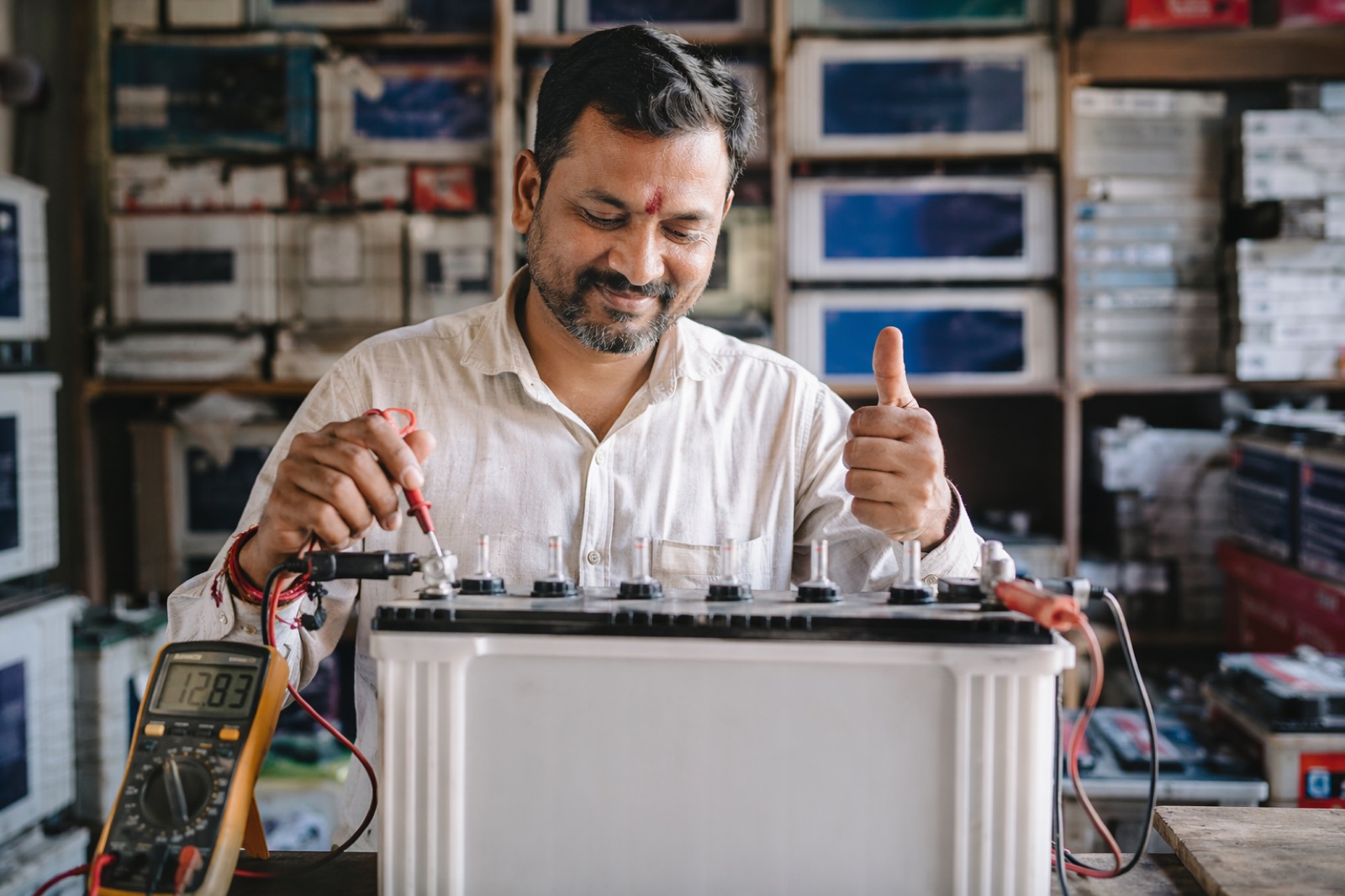
Digital portals streamline warranty claim tracking for automotive consumers by tying each battery, tyre, lubricant pack or spare part to a serialised code registered at sale, so that a claim is raised by scanning the same code, the portal already knows the purchase date, dealer and warranty terms, pro-rata entitlement is calculated automatically, the claim is routed to the nearest service centre or dealer, and the customer follows every status change on WhatsApp instead of calling. Brands gain fewer disputed claims, faster cycle times, mileage and date fraud checks, and failure data by batch, while dealers spend less time as intermediaries. The portal is a WhatsApp conversation and a web page rather than an app the customer must install.
Why automotive claims are complex
Automotive aftermarket warranties carry conditions that consumer durables do not: pro-rata terms on batteries and tyres, mileage or time limits on lubricant-linked engine protection, fitment conditions on spare parts, and a chain of dealer, distributor and service centre between the customer and the brand. Paper handles none of this well. A pro-rata refund on a 36-month battery in month 20 requires the invoice date, the terms of that SKU, the current date and a calculation the dealer usually does by hand, and every step is an opportunity for dispute. The automotive industry page gives the channel context.
The claim lifecycle on a digital portal
Registration at sale
The dealer or customer scans the serialised code on the battery, tyre sidewall label, lubricant pack or part box and registers it on WhatsApp with the invoice photo and vehicle number. The warranty clock starts on a verified date.
Claim raised
The customer scans the same code, describes the fault, adds photos and, for tyres and batteries, the odometer reading. No form, no re-entry of purchase details.
Eligibility and pro-rata
The portal checks the warranty term, the elapsed time or mileage, and computes the entitlement: full replacement, pro-rata credit or out of warranty, with the rule shown to the customer.
Routing
The claim goes to the nearest authorised service centre, dealer or technician by PIN code, with the parts or replacement unit required and an SLA timer.
Inspection and decision
The service point inspects, records the fault code and photos, and approves, adjusts or rejects with a reason; the brand's rules decide what needs a second approval.
Settlement
Replacement issued, pro-rata credit applied, or refund paid, with the dealer's claim on the distributor settled from the same record.
Closure and feedback
The customer confirms closure on WhatsApp and rates the experience; the unit's history is complete for analytics.
Status visibility on WhatsApp
The customer-experience gain that matters most is knowing where the claim is. On a digital portal every stage change sends a WhatsApp message in the customer's language: claim received with a reference, assigned to a named service centre with its address and a call button, inspection scheduled, decision with the rule applied, replacement ready for collection, closed. The customer can also send 'status' at any time and get the current stage. That removes the calls to the dealer, which is the part dealers value most. Unotag runs these conversations in ten Indian languages through the WhatsApp portal.
Category specifics
| Category | Typical warranty structure | What the portal handles | Fraud pattern checked |
|---|---|---|---|
| Batteries | Free replacement period then pro-rata, 24 to 60 months total | Pro-rata credit from registration date; replacement unit serial linked to the claim; old battery return tracked | Date manipulation on invoice; claim on a battery registered elsewhere; duplicate claims on one serial |
| Tyres | Manufacturing defect cover, pro-rata by remaining tread or months | Tread depth and odometer captured at claim; pro-rata by the brand's table; dealer credit note | Odometer inconsistency between registration and claim; road-hazard damage presented as defect |
| Lubricants | Engine protection linked to use of the product within a period or mileage | Proof of purchase sequence across packs; mileage window; workshop identity | Claims without a registered pack sequence; mileage outside the window |
| Spare parts | Fitment-conditional cover, 6 to 24 months | Fitting workshop captured at registration; part serial to vehicle number; return of failed part | Part registered to one vehicle and claimed on another; counterfeit part with unissued code |
The batteries, tyres, lubricants and spare parts pages cover the channel programs that usually run alongside warranty in each category, and loyalty programs for battery brands shows how the same code rewards the dealer.
Pro-rata, made visible
Pro-rata terms generate most automotive warranty disputes because the customer sees a refusal and the dealer sees a calculation. A portal that shows the customer the rule at the moment of claim, for example '36-month warranty, 20 months used, 44 percent credit on a replacement', removes the argument, and it applies the same rule at every dealer, which is what the brand's terms promise. The dealer's own claim on the distributor is settled from the same record, so the dealer is not left carrying a credit the brand will later dispute.
Fraud checks specific to automotive
- Mileage. Odometer readings captured at registration and at claim must be consistent with elapsed time; a claim showing fewer kilometres than at registration is held.
- Dates. The invoice photo, registration scan and claim scan form a sequence; invoices reused across serials or dated far from the scan are flagged.
- Serial reuse. A battery serial claimed twice, or a replacement unit's serial appearing in a later fresh claim, is blocked.
- Territory. A unit dispatched to one region and claimed in another points to diversion or a copied code.
- Counterfeit parts. A claim on a code that was never issued is the clearest signal of a fake, and is stopped before a technician visits. See what is an anti-counterfeit code.
What the customer, dealer and brand each gain
| Before: paper and phone calls | After: digital portal | |
|---|---|---|
| Customer | Carries the unit back, waits, calls the dealer for news | Scans, raises the claim in minutes, follows status on WhatsApp, sees the rule applied |
| Dealer | Fills forms, chases the distributor, absorbs disputed credits | Registers at sale, earns a registration reward, claim routed and settled from one record |
| Service centre | Receives incomplete claims, re-enters details | Receives a complete claim with photos and entitlement already calculated |
| Brand | Learns of a bad batch a year late; pays on fakes and duplicates | Failure by batch and district in weeks; fraud rules stop bad claims before cost is incurred |
Across programs Unotag runs, moving claims to a portal of this kind typically halves claim cycle time in the first two quarters and reduces disputed claims markedly, with the registration reward to dealers driving the coverage that makes it work. How to digitize warranty management gives the seven steps, and the digital warranty management solution shows the configuration.
Key takeaways
- A serialised code registered at sale turns an automotive claim into a lookup: purchase date, terms and entitlement are already known.
- Pro-rata for batteries and tyres is calculated and shown to the customer, which removes the commonest dispute.
- Status at every stage on WhatsApp replaces calls to the dealer; routing by PIN code sends the claim to the right service point.
- Mileage, date, serial-reuse, territory and unissued-code checks stop fraudulent and counterfeit claims before cost is incurred.
Frequently asked questions
How do digital portals streamline complex warranty claim tracking for automotive consumers?
By tying each unit to a serialised code registered at sale, so a claim raised by scanning that code already carries the purchase date, dealer and terms; entitlement including pro-rata is calculated automatically, the claim is routed to a service point by PIN code, and the customer follows every status change on WhatsApp.
What is automotive warranty claim tracking?
Following a battery, tyre, lubricant or spare part claim from registration through raising, eligibility, routing, inspection, settlement and closure, with each stage recorded against the unit's serial and visible to the customer, dealer, service centre and brand.
How is a pro-rata battery warranty claim calculated on a digital portal?
The portal takes the registration date fixed by the sale scan, the SKU's warranty term and the claim date, and applies the brand's pro-rata table to show the credit, for example 44 percent on a replacement at month 20 of 36. The customer sees the rule at the moment of claim.
Can customers track automotive warranty claims on WhatsApp?
Yes. Each stage change sends a message in the customer's language with the reference, the assigned service centre and the decision, and the customer can send 'status' at any time to see the current stage without calling the dealer.
How do digital warranty portals detect fraud in automotive claims?
By checking odometer consistency between registration and claim, invoice date sequence, serial reuse across claims, dispatch territory against claim location, and codes that were never issued, which indicate counterfeit parts. Flagged claims are held before a technician visits.
Does a digital warranty portal for automotive parts need an app?
No. Registration and claims run on WhatsApp and a web page from the code on the unit. Dealers scanning in volume and service technicians recording inspections may use an app, writing to the same record.
What do dealers gain from a digital warranty claim portal?
Registration at sale earns a reward, claims are routed and settled from one record so the dealer no longer carries disputed credits, and customers stop calling the dealer for status because they receive it on WhatsApp.